photonic radiative cooling
harnessing nanophotonics for sustainable passive thermal management
introduction
Radiative cooling leverages the atmospheric transparency window (8-13 μm) to dissipate heat directly into the extreme cold of outer space without consuming any energy. By meticulously engineering the nanoscale morphology and material composition of photonic structures, we can achieve near-unity thermal emissivity in the mid-infrared while simultaneously maximizing solar reflectance. This unique capability allows surfaces to passively cool below ambient temperatures, even under direct sunlight.
This research direction explores the intersection of thermal radiation physics and nanophotonics. We design, fabricate, and characterize advanced photonic materials that manipulate the flow of both light and heat, offering scalable, zero-energy cooling solutions to address the escalating global demand for sustainable temperature regulation.
significance & applications
Passive radiative cooling presents a disruptive technology to combat global warming and significantly reduce the immense energy footprint of traditional active cooling systems. The applications are highly versatile, ranging from energy-efficient cooling of macroscopic infrastructures, such as buildings, data centers, and solar panels, to enhancing the thermal stability and processing capabilities of compact, heat-dense personal electronics.
research focus
- sub-ambient daytime cooling: engineering high-performance broadband solar reflectors and precise mid-infrared emitters to achieve highly efficient, continuous heat dissipation under direct outdoor sunlight. (e.g., (Wu et al., 2017))
- thermal-aesthetic management for portable terminals: developing multifunctional photonic structures that provide effective passive cooling for compact personal devices while simultaneously generating customizable structural colors for aesthetic integration and visual appeal. (e.g., (Wu* & Chen, 2020))


This project is currently non-active. We seek the opportunity of further development in the future. If you are interested in this direction, collaborations are welcome.
References
2020


2017
-
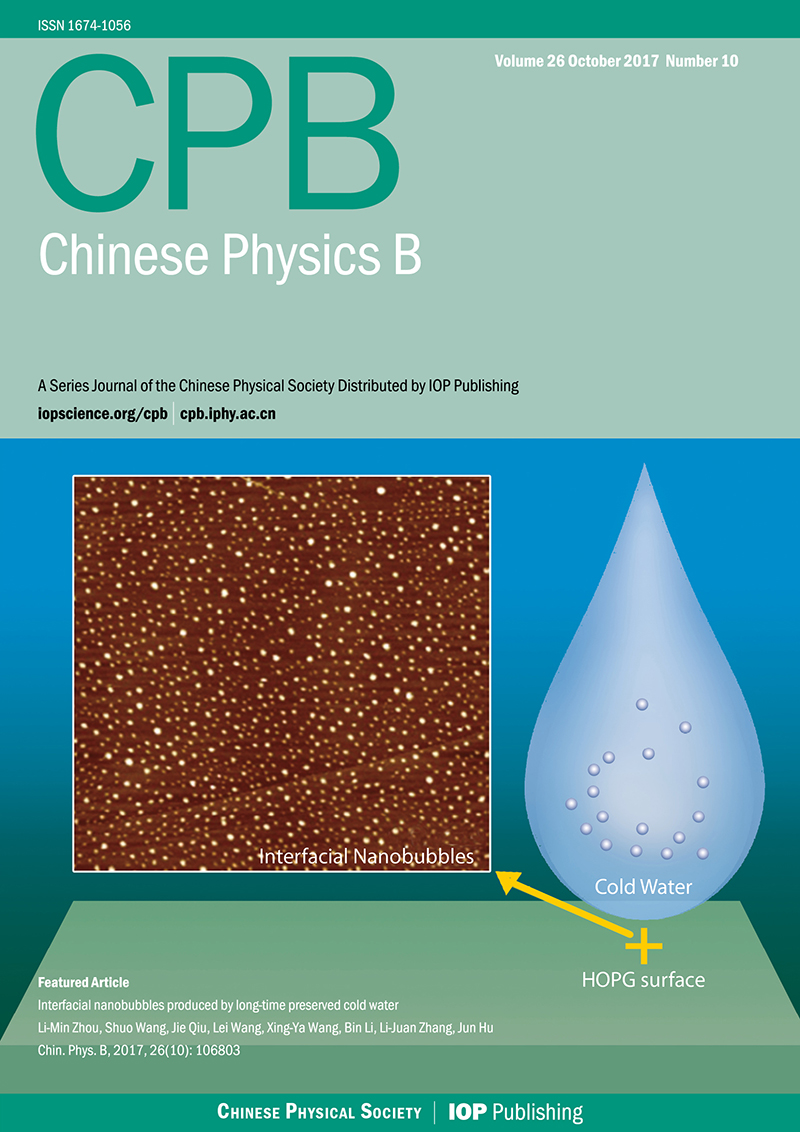 Diurnal cooling for continuous thermal sources under direct subtropical sunlight produced by quasi-cantor structureChinese Physics B, Sep 2017
